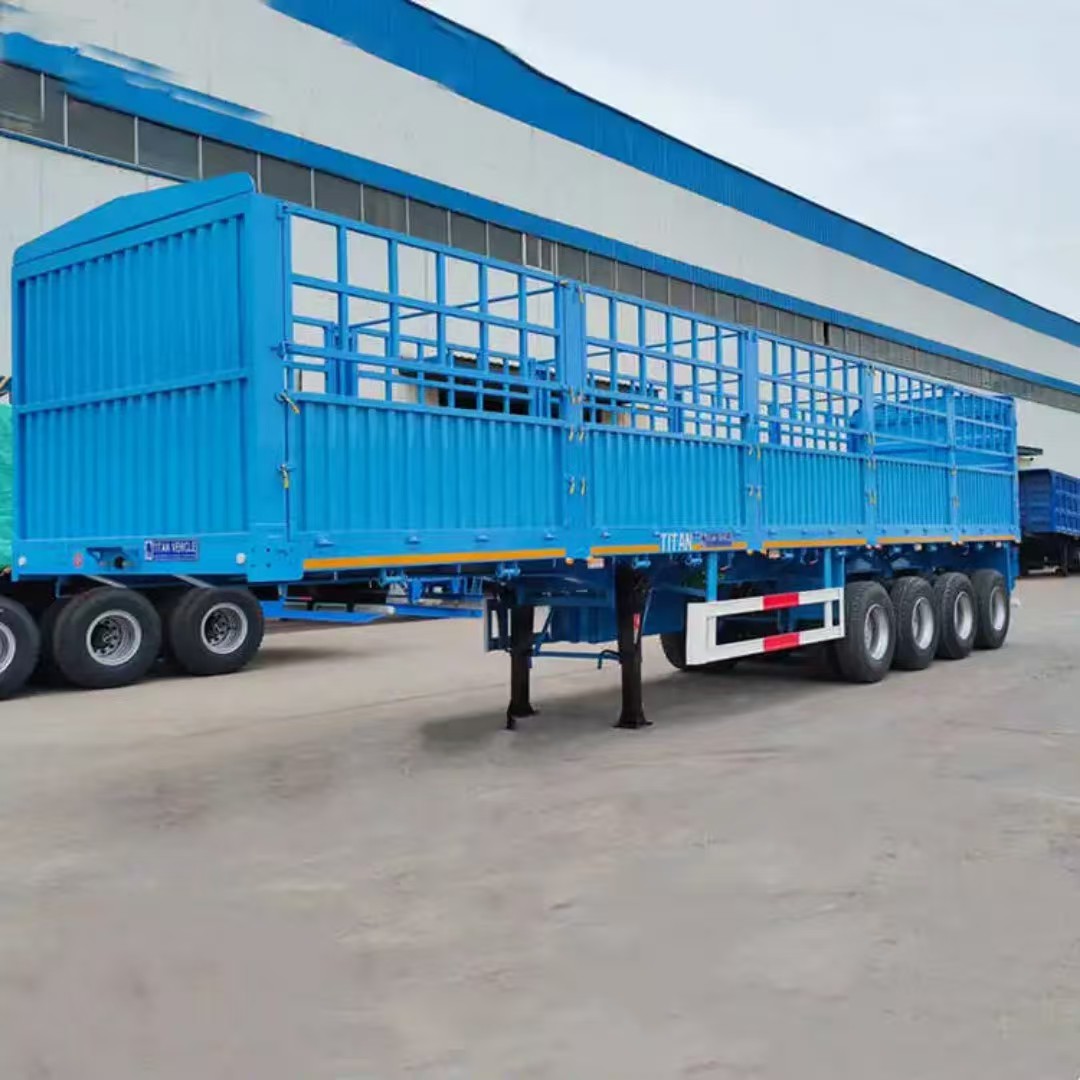
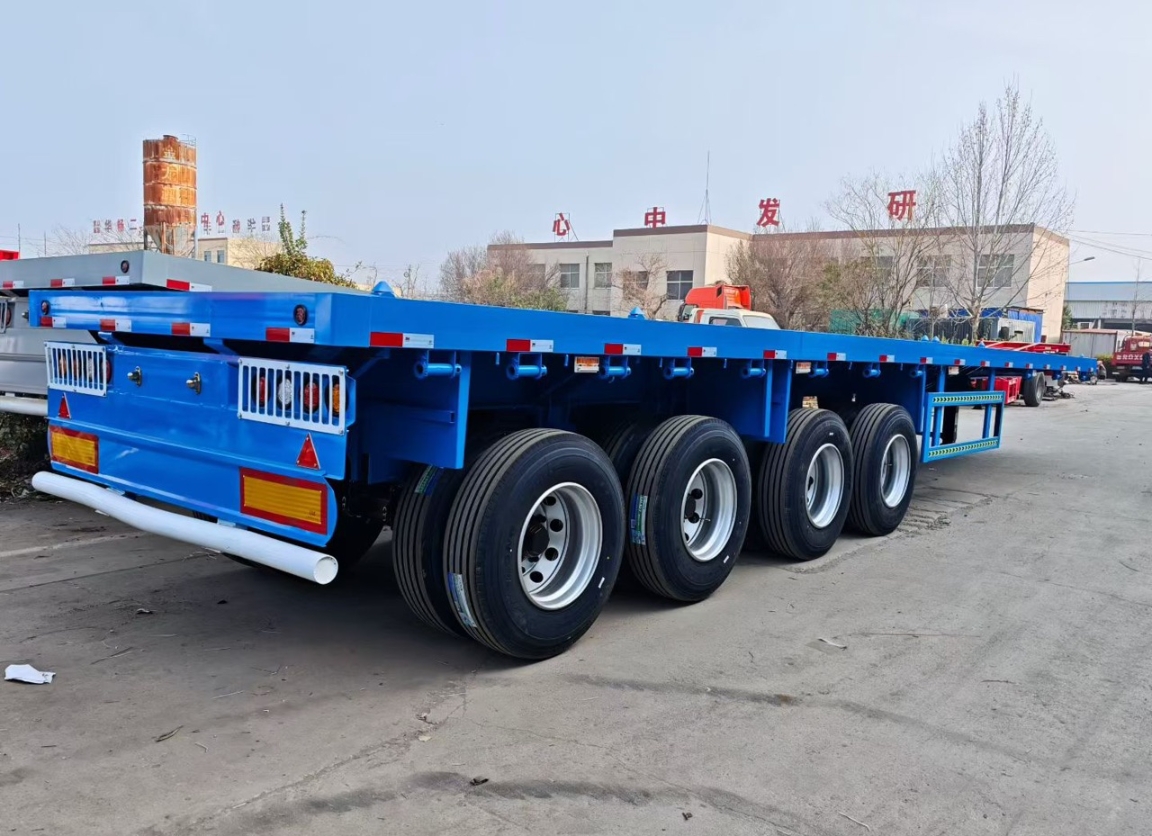
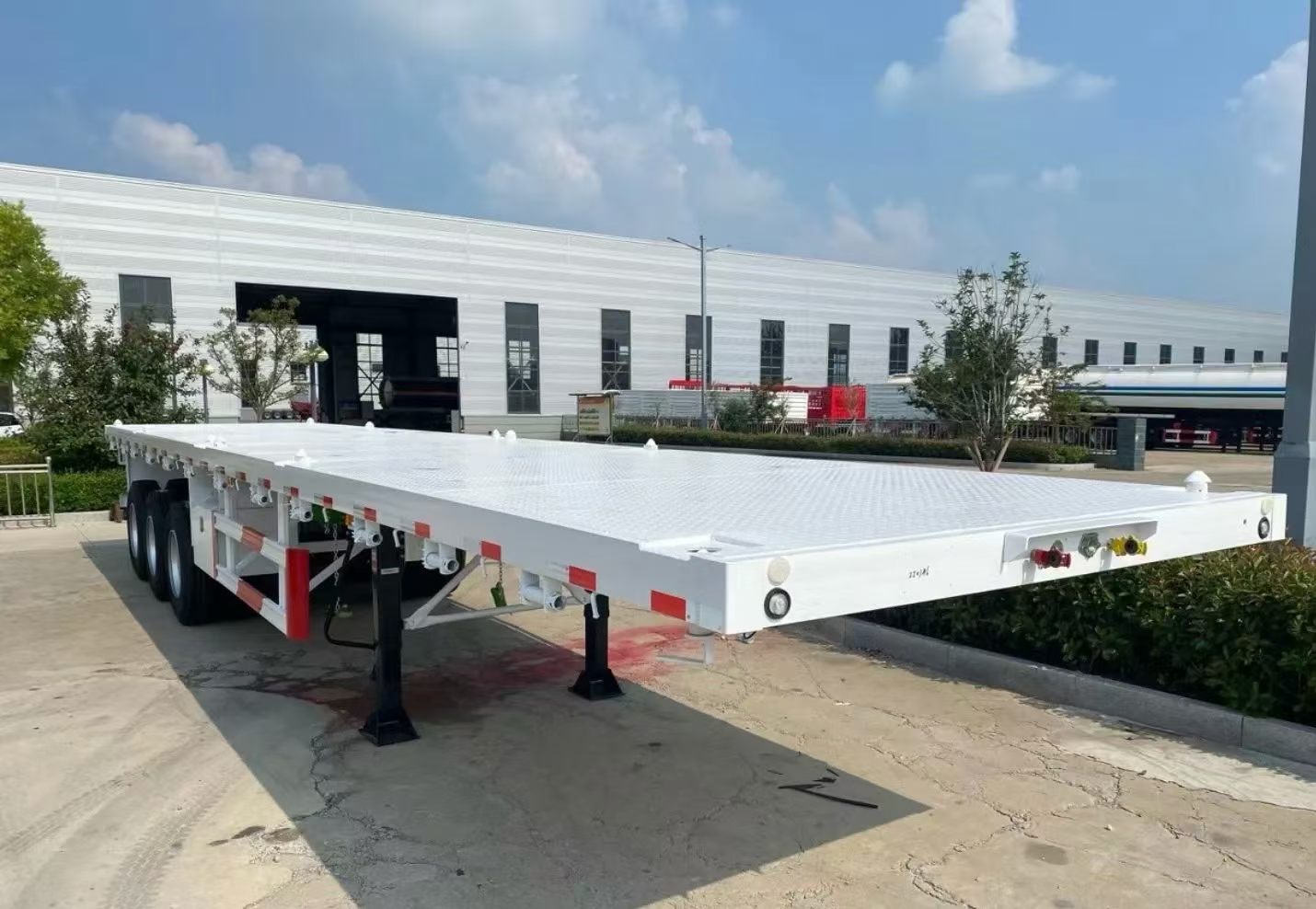
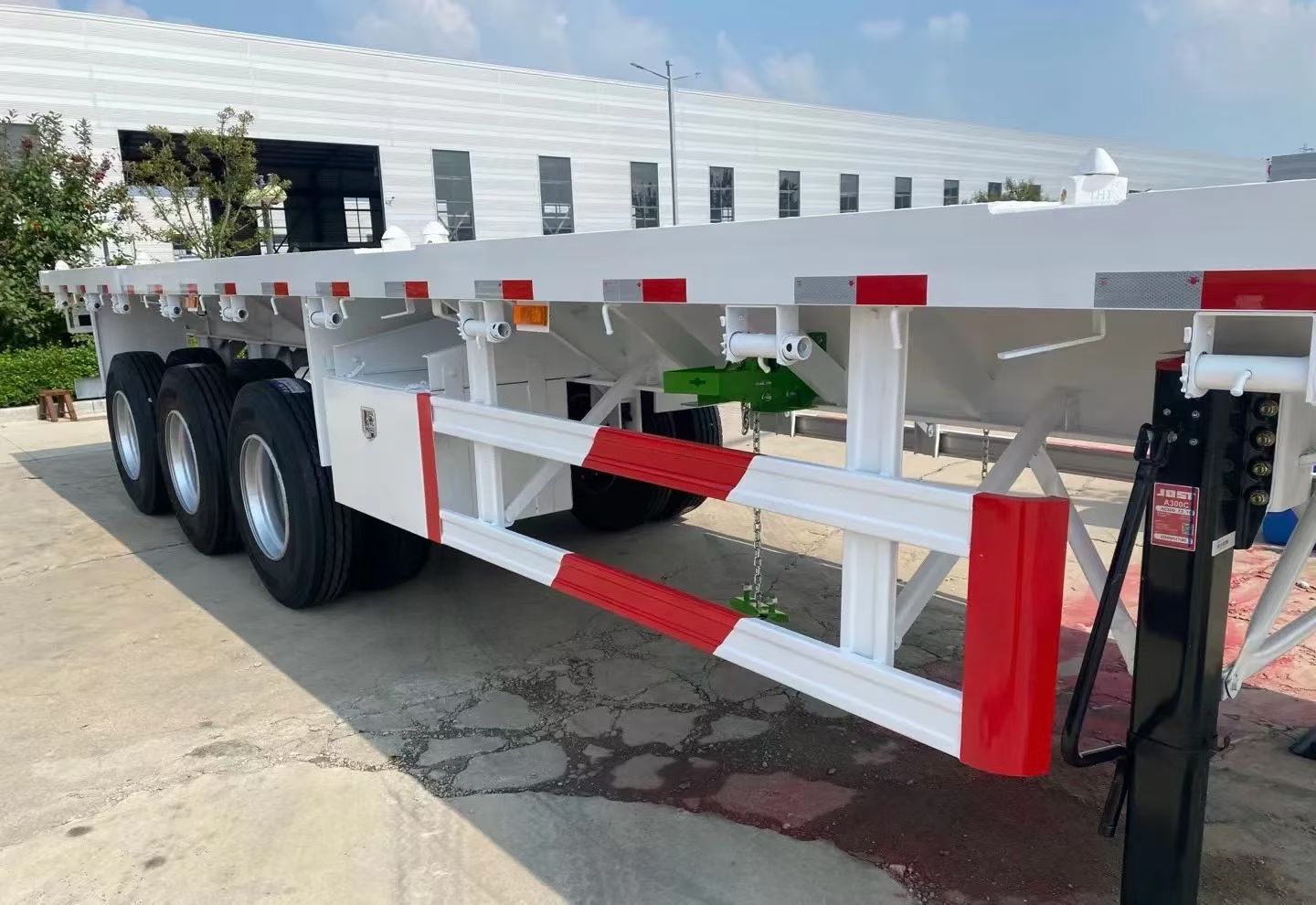
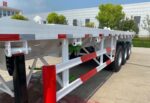
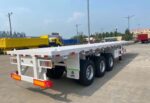
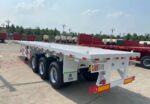
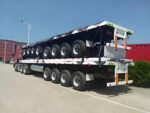
Trailer trucks, commonly known as semi-trailer trucks, are heavy-duty articulated vehicles used for large-scale, long-haul freight transport. They consist of a motorized tractor unit coupled to a detachable trailer via a fifth-wheel coupling. They are the backbone of the global supply chain, optimized to haul multi-ton loads across varying distances.
Types of Tractor Units
Before examining the trailer itself, the motorized cab (or tractor) usually comes in two primary configurations:
Day Cabs: Do not have a sleeping compartment. They are optimized for short-haul, local, and regional deliveries, or port-to-warehouse operations where the driver returns home at the end of their shift.
Sleeper Cabs: Feature a living and sleeping compartment directly behind the driver’s seat. They are essential for long-haul and cross-country trucking where drivers live out of their cabs for days or weeks at a time
Common Trailer Models and Types
Trailers are specifically designed for the type of cargo they carry, ranging from standard boxed goods to oversized industrial equipment:
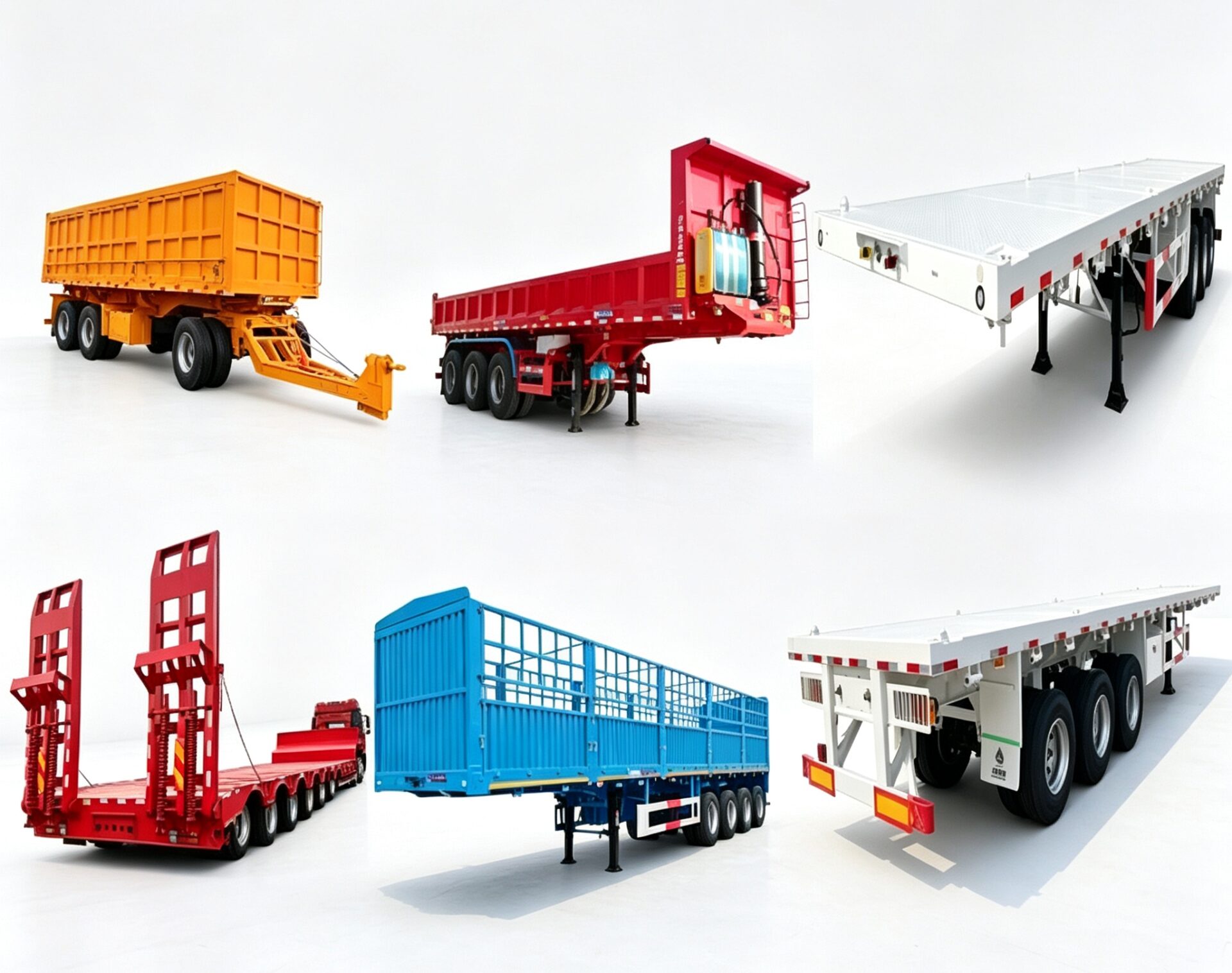
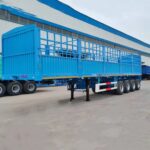
Dry Vans (Enclosed Trailers): The most common trailer on the road, typically measuring 48 to 53 feet. They are enclosed to protect general, non-perishable freight from weather and theft.
Refrigerated Trailers (Reefers): Similar in shape to a dry van but equipped with a cooling/heating unit. They maintain a constant temperature for perishable items like produce, pharmaceuticals, and beverages.
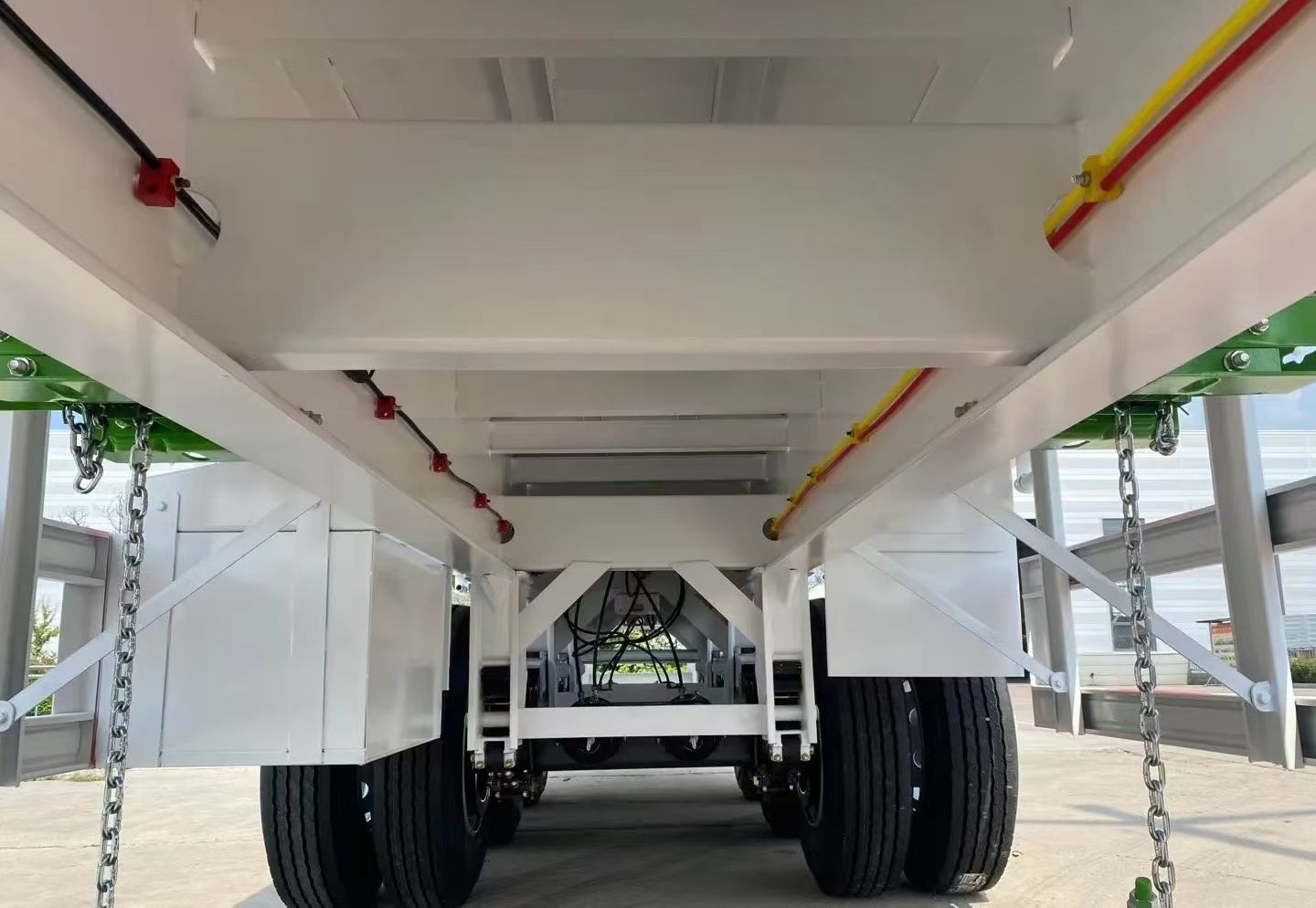
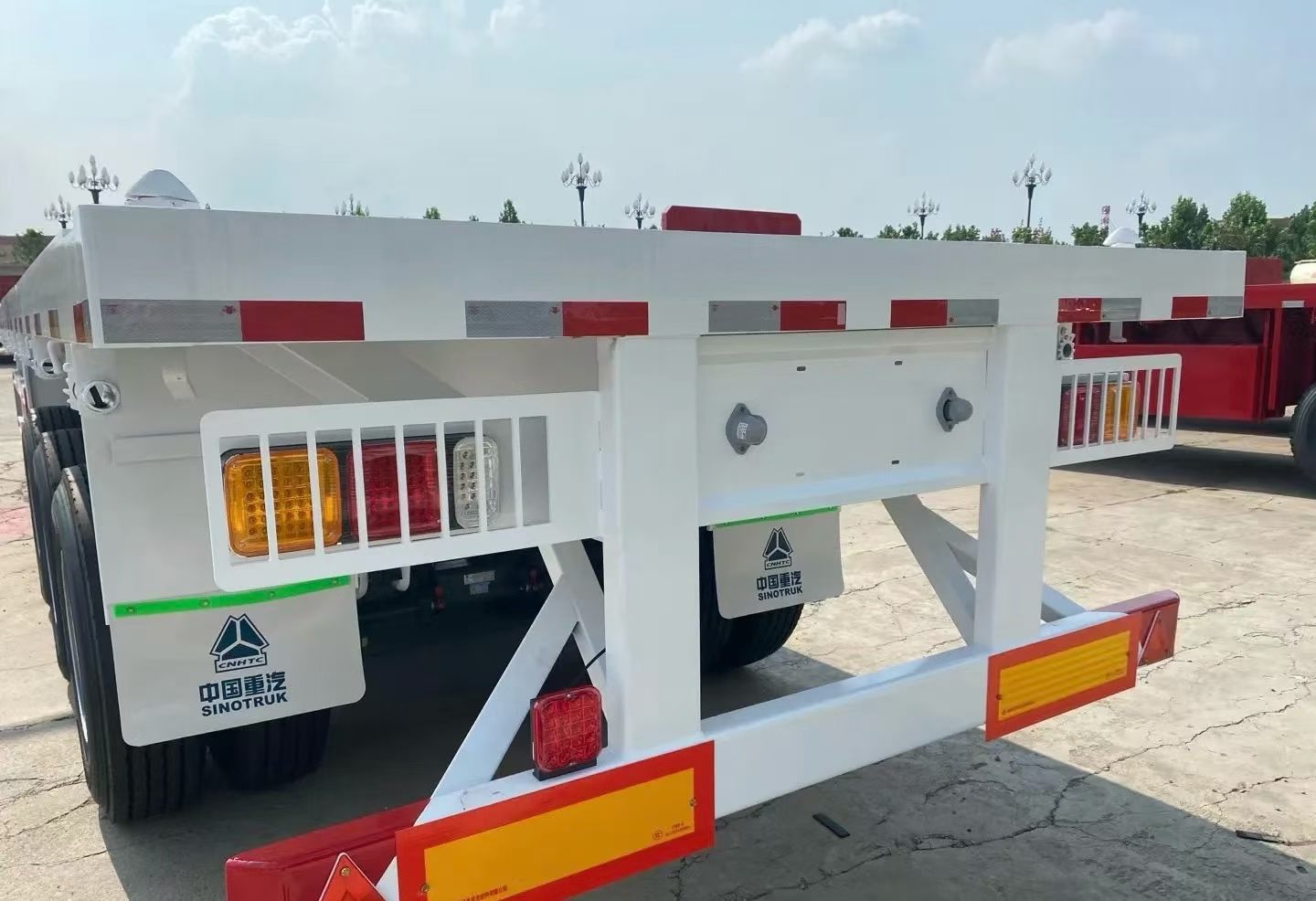
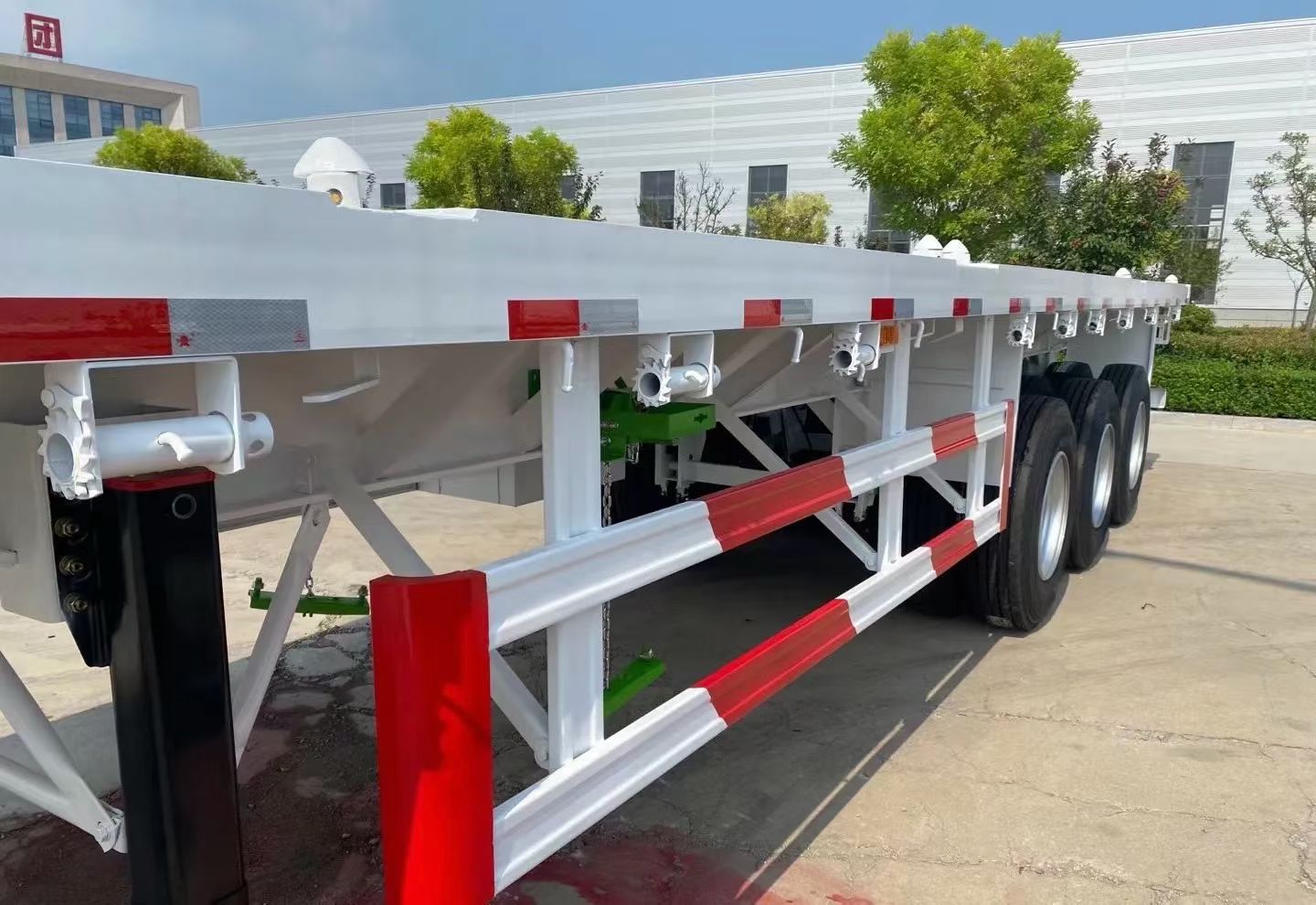
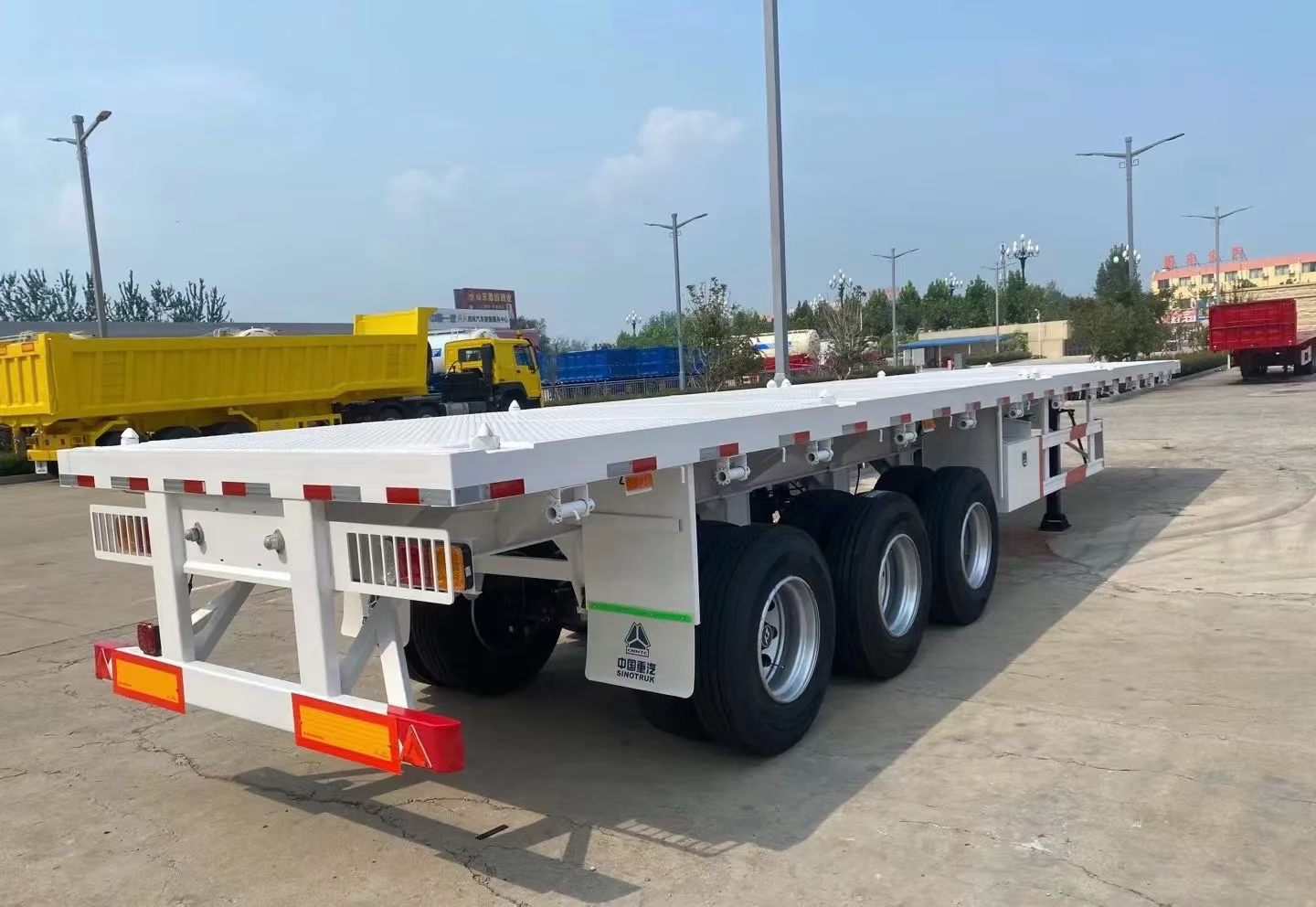
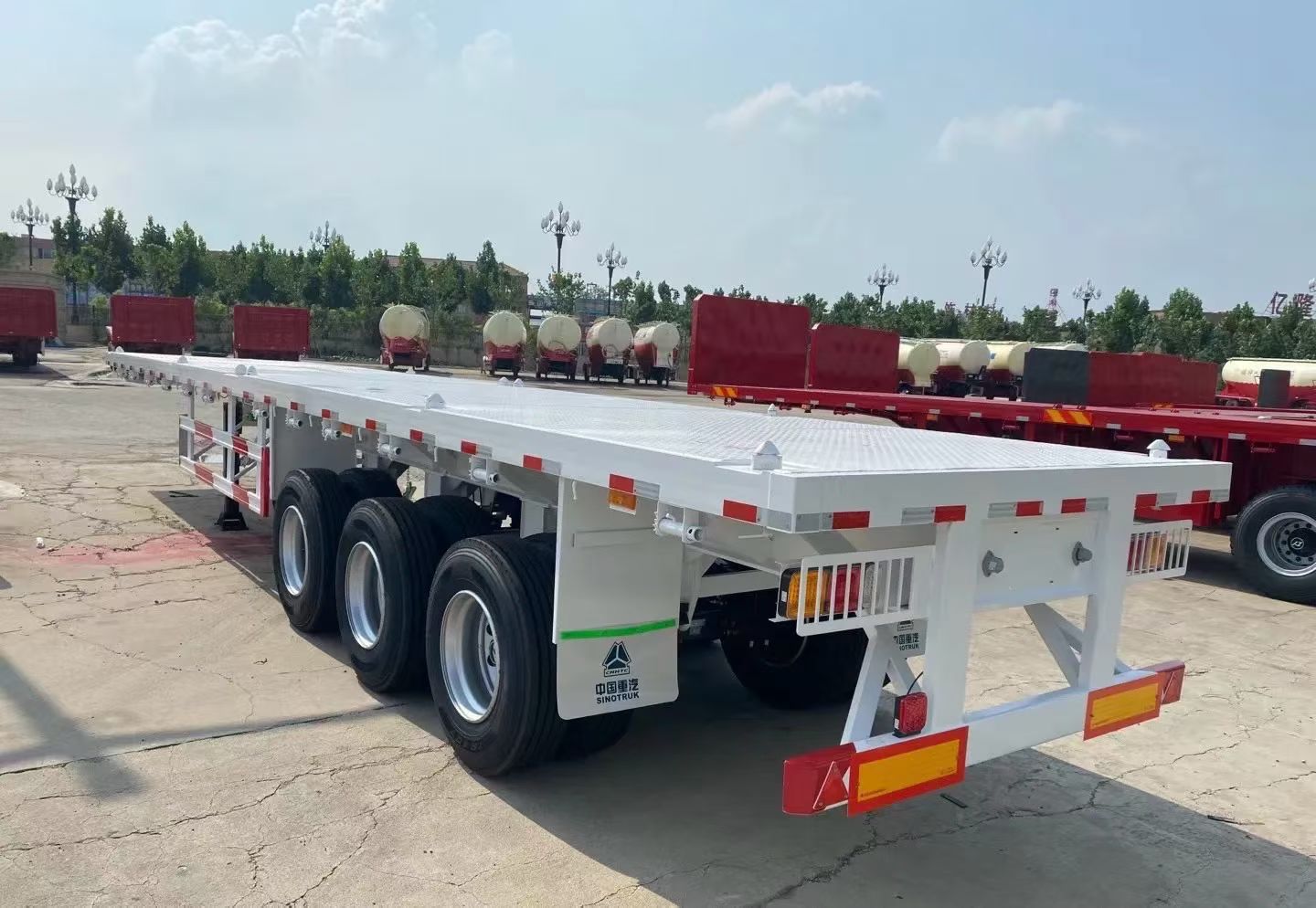
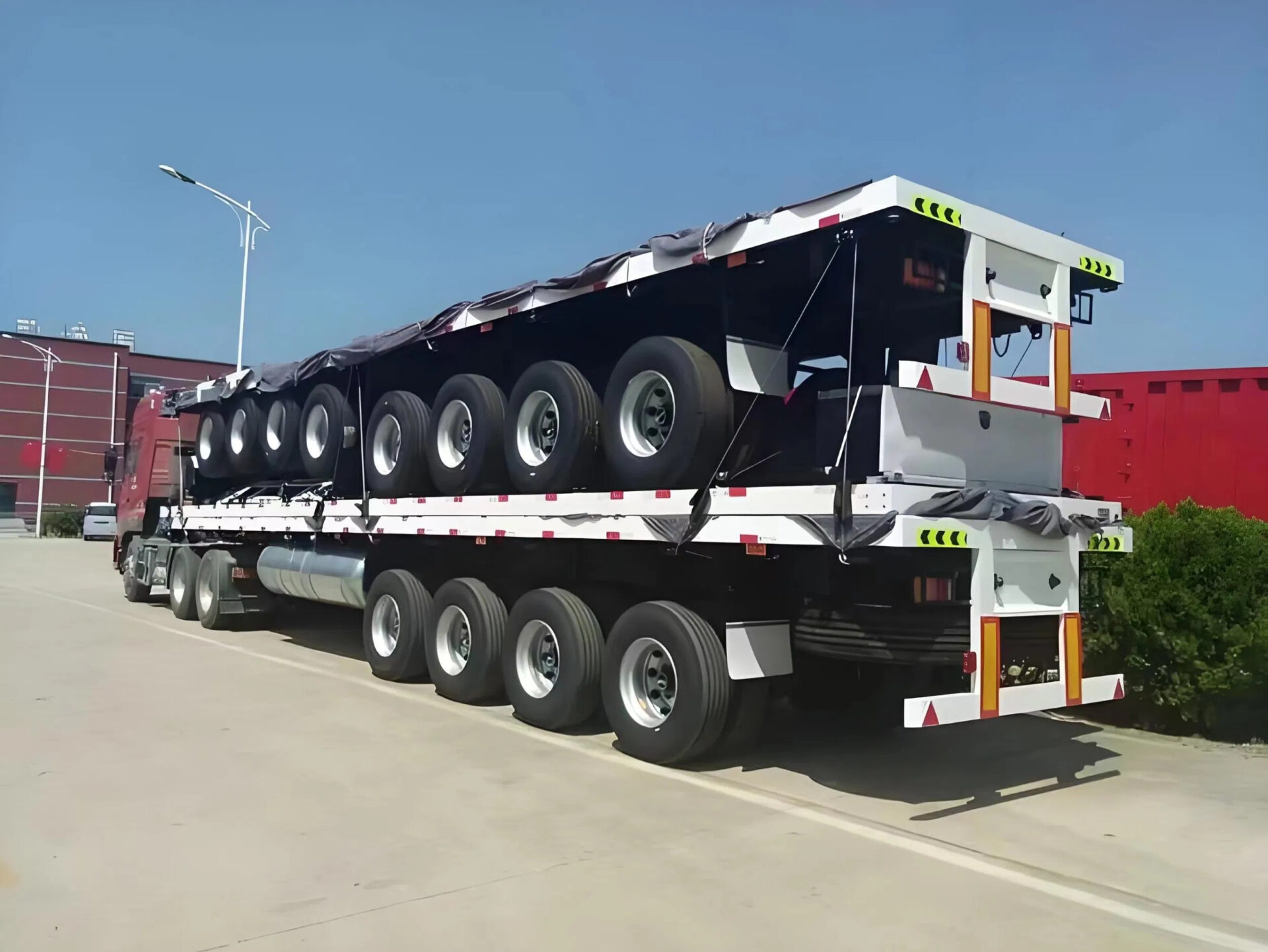
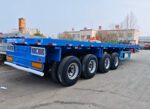
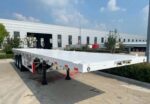
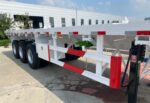
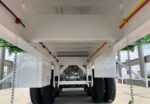
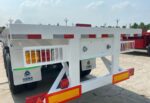
Flatbed Trailers: Feature an open, level platform with no walls or roof. They are ideal for oversized, robust cargo (e.g., steel beams, building materials) that can be easily loaded from the side or top.
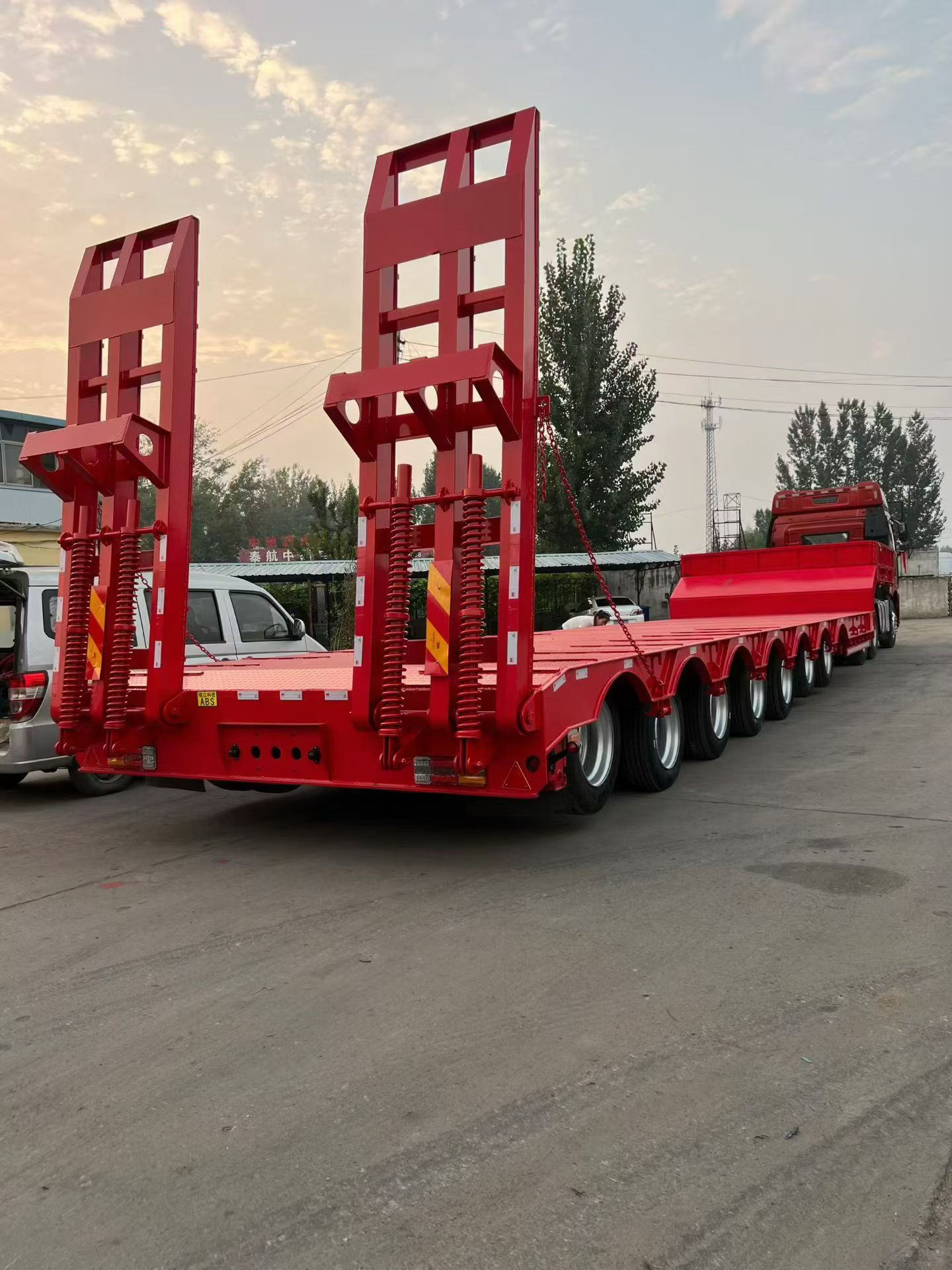
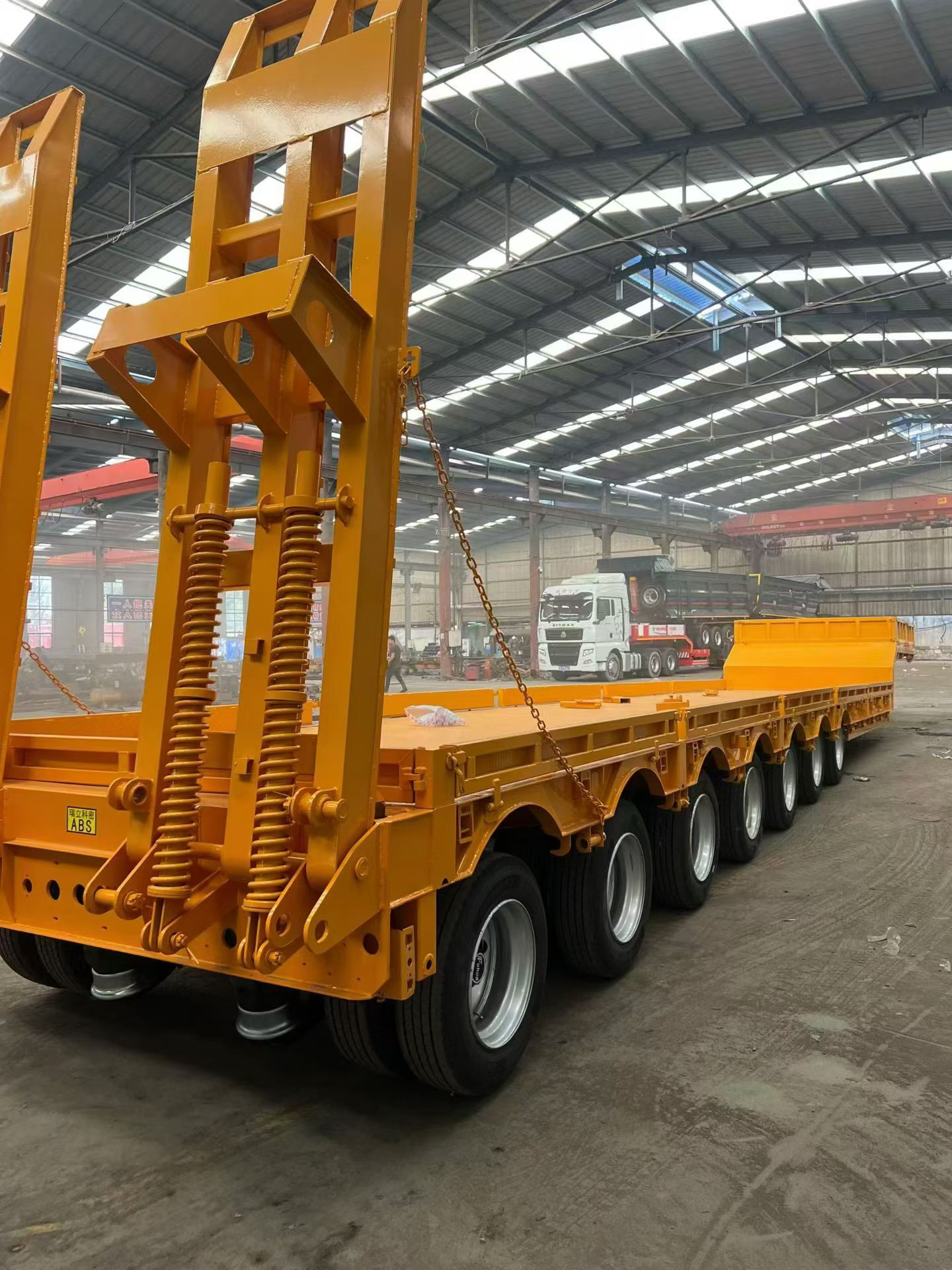
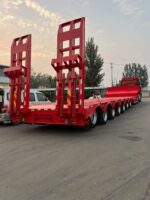
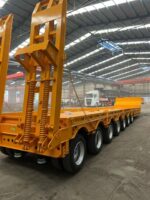
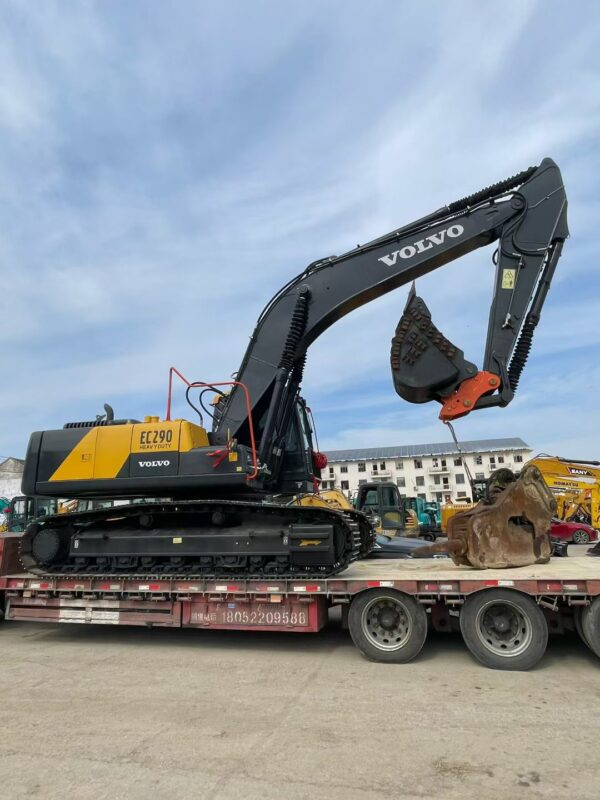
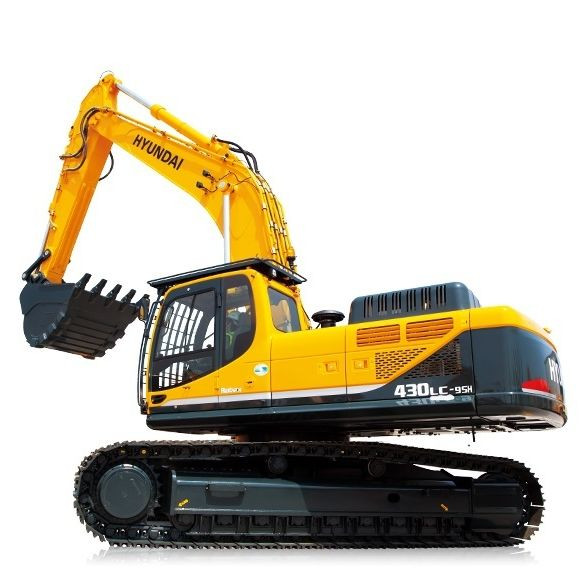
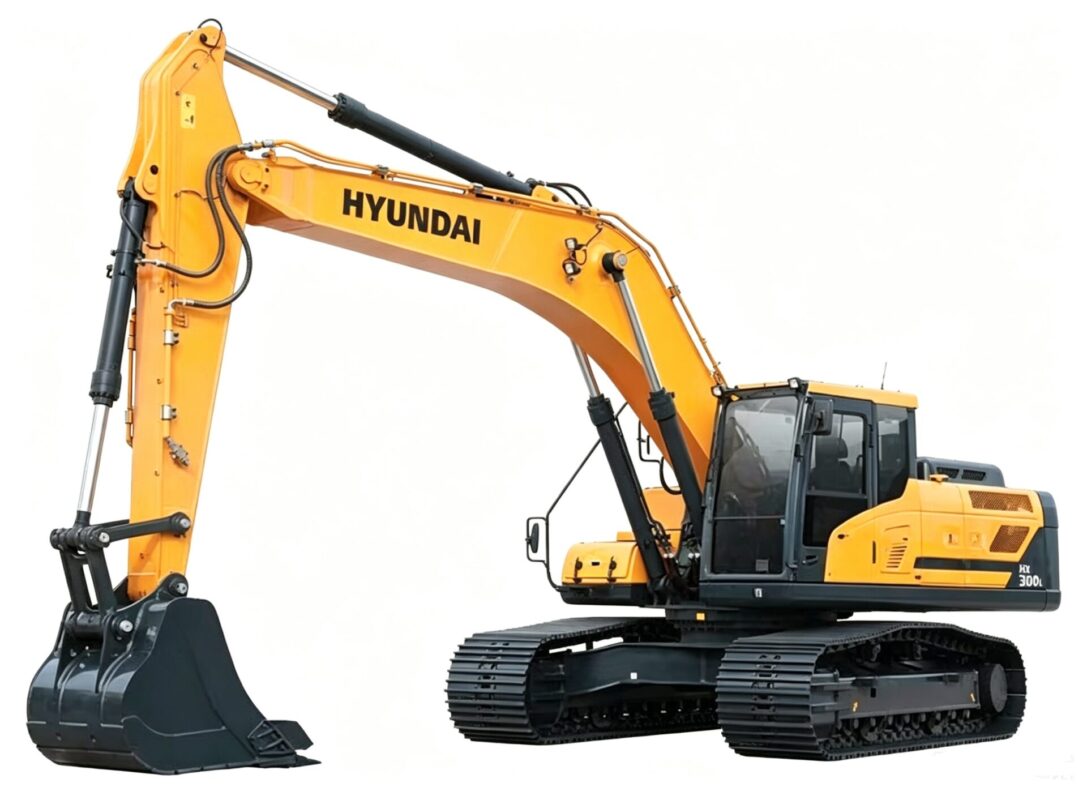
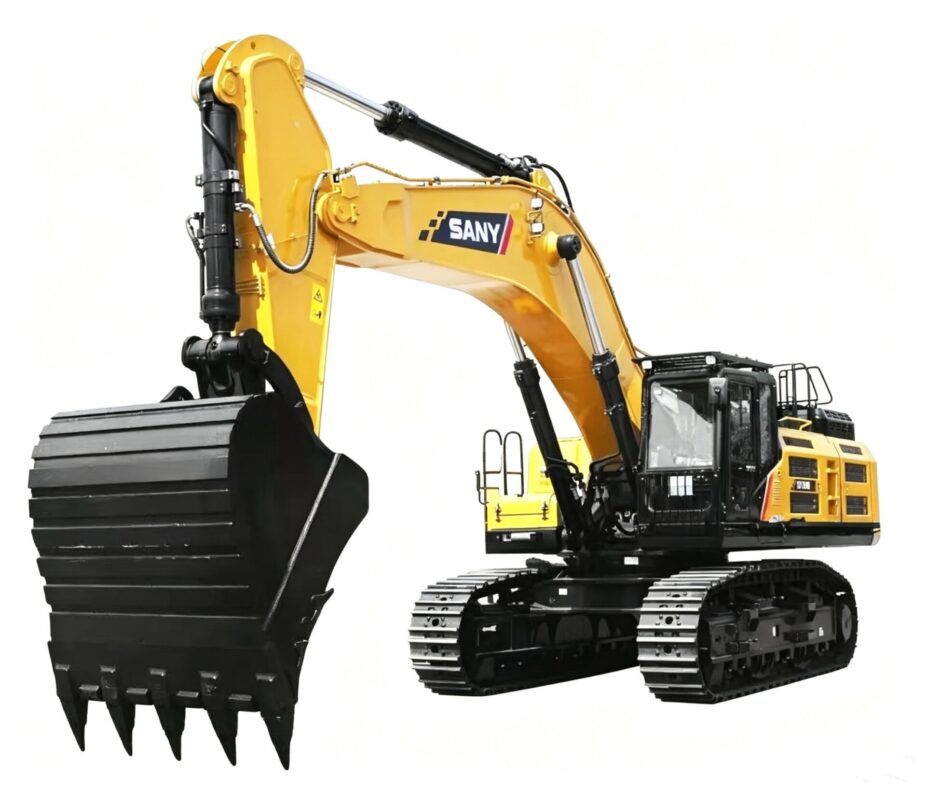
Lowboy Trailers: Designed with a deck that sits extremely close to the ground, allowing operators to haul extra-tall machinery (like bulldozers and excavators) while staying within legal height limits.
Removable Gooseneck (RGN) Trailers: Similar to lowboys, but the front detaches to create a ramp. This is perfect for driving heavy, self-loading construction equipment directly onto the trailer.
Step-Deck (Drop-Deck) Trailers: Feature an upper deck and a lower, dropped deck. They allow taller cargo to be carried without requiring special oversize permits.
Tankers: Cylindrical trailers used to haul liquids, gases, or dry bulk items. They are highly engineered with internal baffles to prevent the liquid cargo from sloshing and destabilizing the truck.
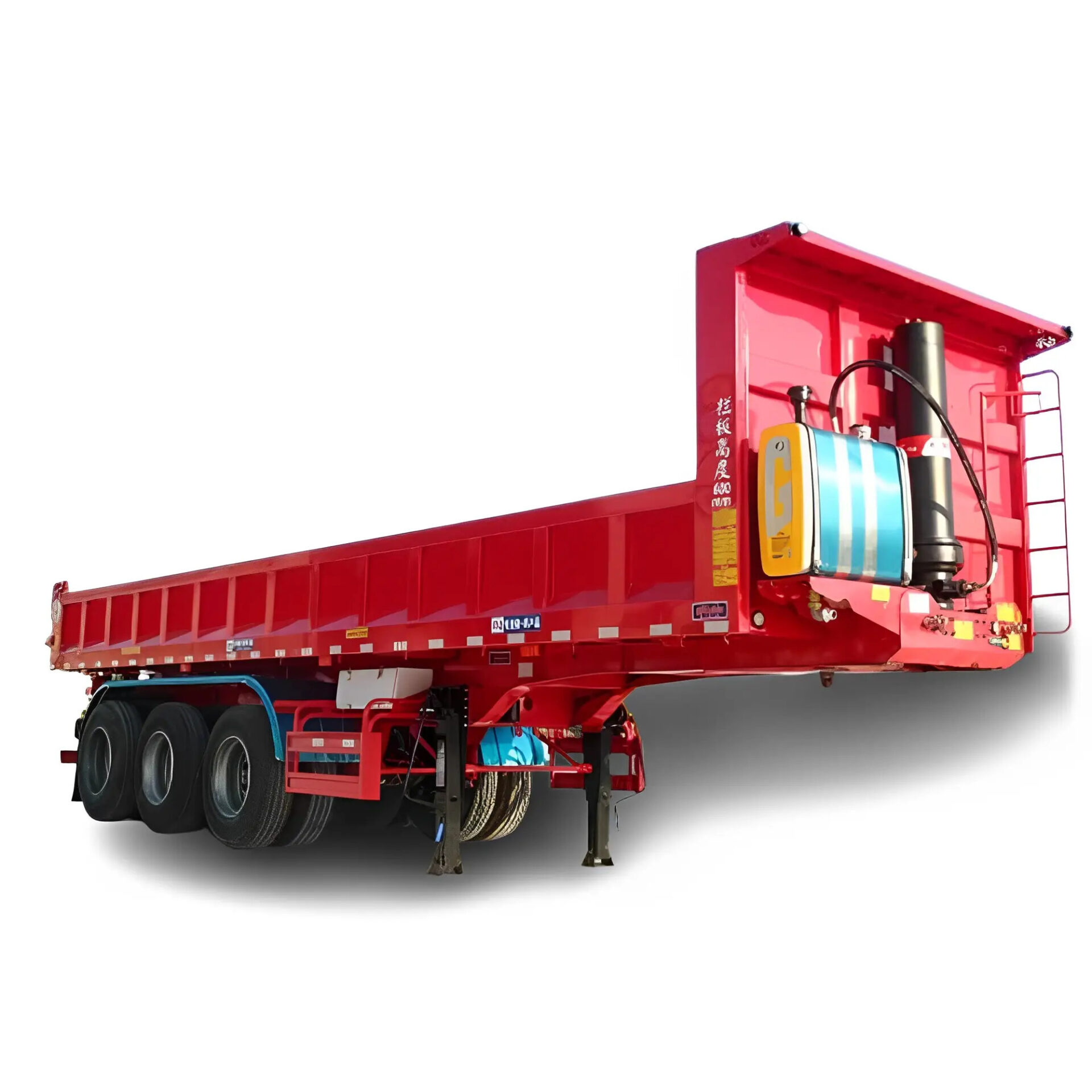
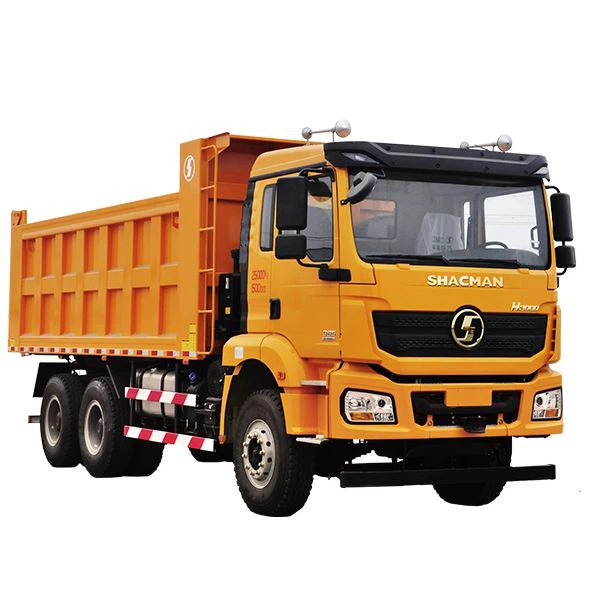
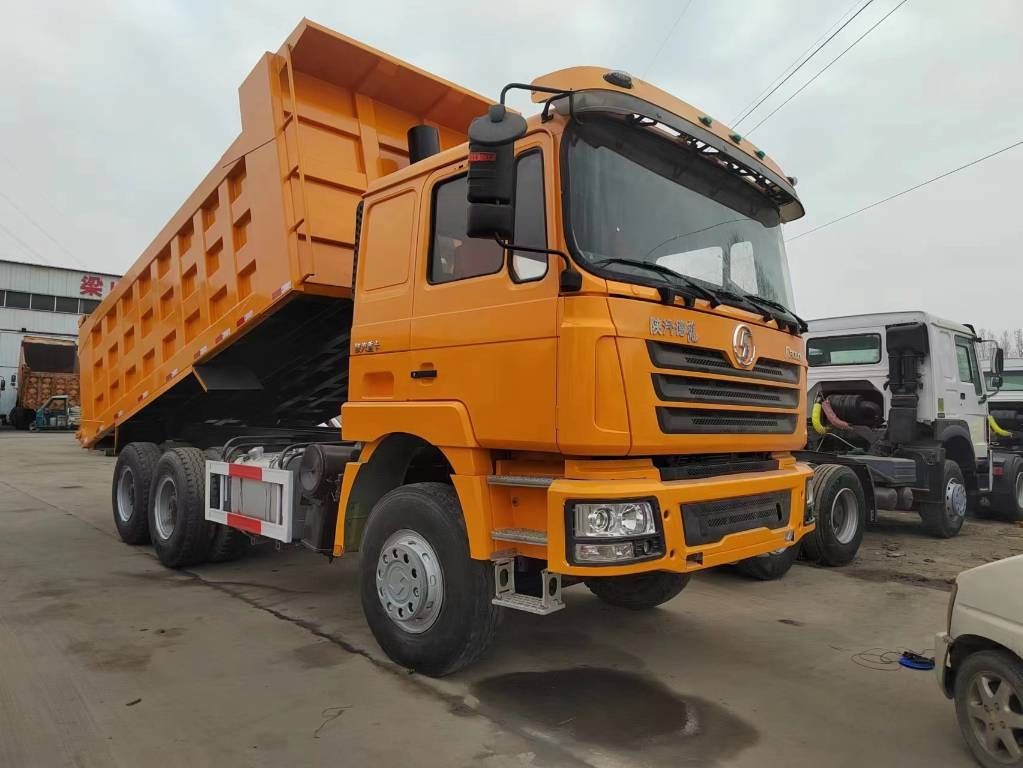
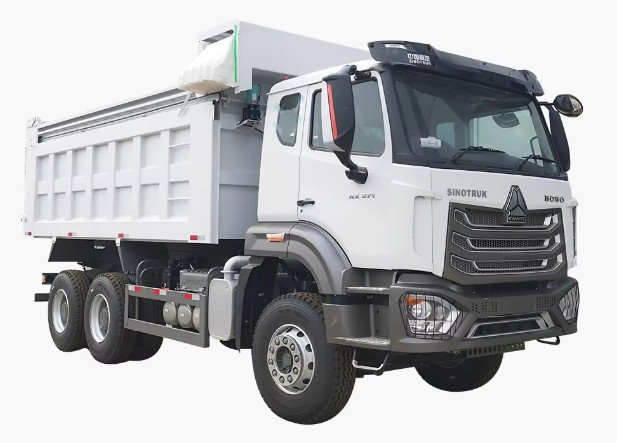
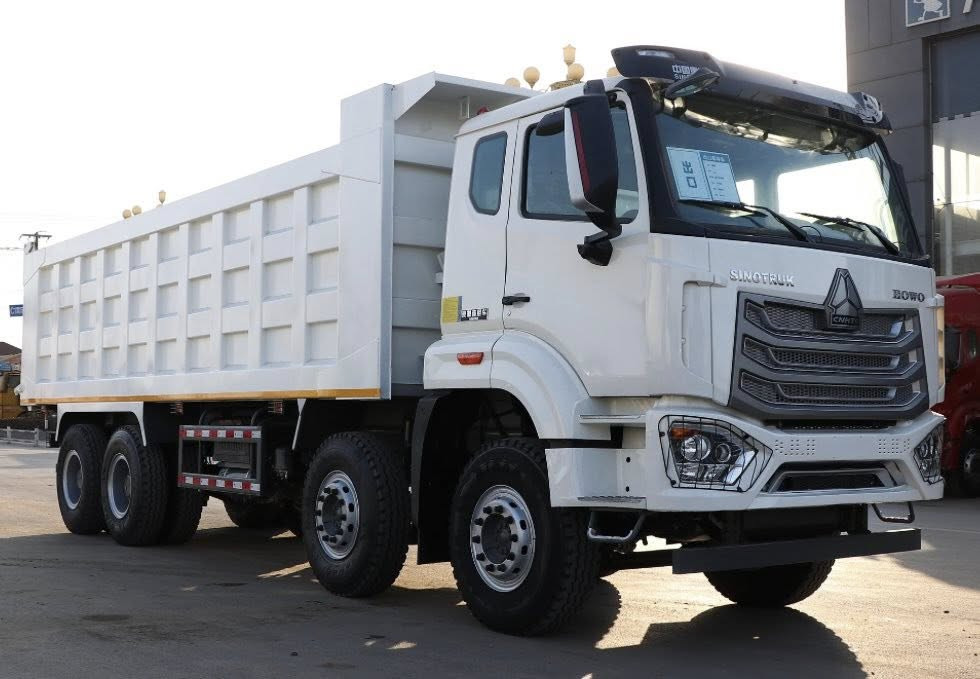
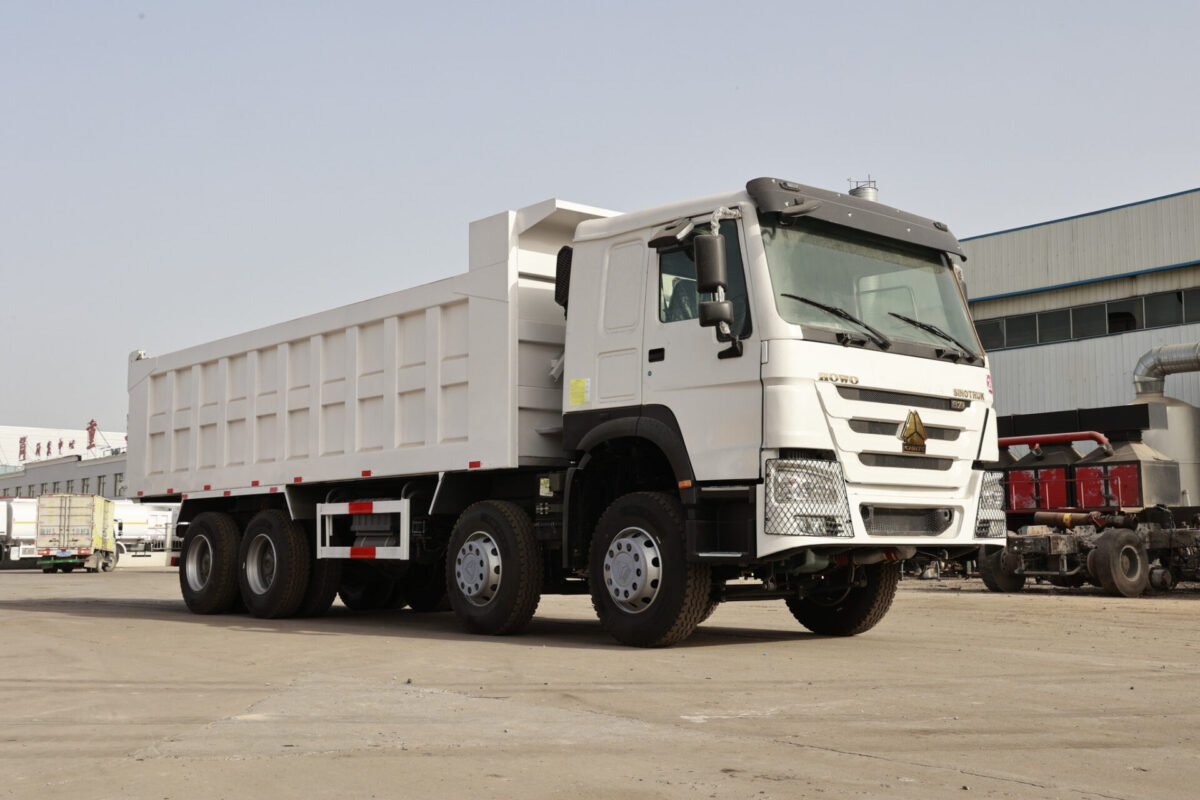
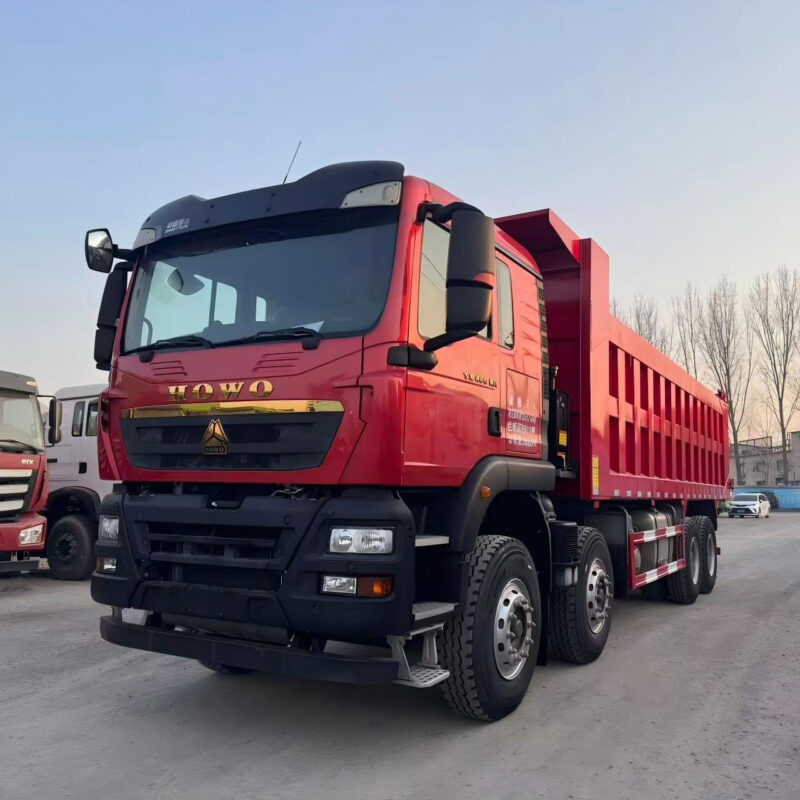
Dump Trailers: Open-top trailers with a hydraulic lift system used to haul bulk materials such as sand, gravel, and construction debris
Core Specifications: Axles and Tonnage
Weight distribution and axle configurations dictate a trailer truck’s load capacity and legal compliance.
Standard Axle Types and Weight Limits (US/Federal Standards):
Steer Axle: Typically supports the front of the tractor. Generally limited to
54-68 tonnes depending on the tire rating.
Drive Axles: Usually a tandem (two-axle) group on the tractor. The legal federal limit is 150 tonnes.
Trailer Axles: Commonly a tandem configuration, legally limited to 150 tonnes.
Gross Vehicle Weight (GVW): For a standard 5-axle semi-truck, the maximum allowable gross weight is 36 tonnes, which includes the tractor, trailer, and cargo.
Core Advantages
Massive Payload Capacity: Single vehicles can move up to 200 tonnes lbs of standard payload (or higher with specialized, multi-axle permits).
Modularity: The detachable tractor system allows a single truck cab to hook up to multiple types of trailers, increasing operational flexibility and reducing downtime.
Versatility: With dozens of trailer variations, virtually any material—from delicate pharmaceuticals to massive industrial turbines—can be transported over land.
Primary Applications
Retail and Logistics: Moving boxed consumer goods, groceries, and parcels from distribution centers to supermarkets or retail stores using dry vans.
Construction: Transporting heavy machinery (excavators, cranes) via lowboys, or bulk aggregates (gravel, sand) using dump trailers.
Agriculture and Food: Moving temperature-sensitive fresh produce using reefers, or grain and liquids using tankers.
Energy and Mining: Hauling oversized transformers, wind turbine blades, and large pipes utilizing extendable step-decks and heavy haul trailers.
leave a message
If you are interested in our products and want to know more details,please leave a message here,we will reply you as soon as we can.